


Lip Trill
Why It’s Important:
-
Resets tension: You can’t trill if your throat or jaw is tight. It teaches natural release.
-
Builds breath support: It automatically engages your diaphragm.
-
Smooths vocal breaks: Great for working through chest-mix-head zones (passaggio).
-
Safe for all voices: Especially helpful when recovering from fatigue or overuse.
-
Instant feedback: If you lose your airflow or support, the trill stops — so it teaches you in real time.
How to do it
-
Relax your lips — pretend you’re gently blowing bubbles.
-
Use your fingers to press lightly into your cheeks if needed (this helps support the lips).
-
Start with just airflow — no pitch yet. Get a steady, even brrrrrr.
-
Add pitch: slide gently from low to high like a siren.
-
Try going up and down, or doing a scale

If it feels tricky at first, that’s totally normal — it’s one of those exercises that teaches your voice how to relax, not how to “work harder.
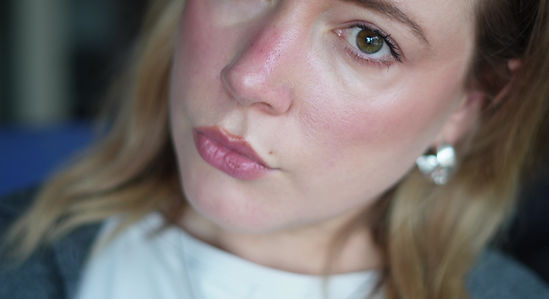
Having Trouble?
Totally normal! Most people don’t get it right away. Here’s what to try:
1. Lips won’t buzz?
Blow stronger, like bubbles underwater.
Use fingers to lift cheeks.
Try a big “pfffft” like a horse, then soften it.
2. It works, then stops?
- Breathe lower — like a quiet sigh from your belly.
- Stand tall or lie down.
- Think steady, not loud.
3. Only works on low notes?
- Keep your throat relaxed.
- Try small slides first.
- Don’t push — float the sound up.
4. Still stuck?
- Hum, laugh, or walk around to release tension.
- Take a break — it often clicks later.
You’re not failing. Your voice is just figuring it out.
Alternatives
If lip trills still don’t click after a few tries — that’s totally fine.
You can get the same benefits with straw phonation.
How to do it:
-
Take a regular drinking straw.
-
Hum or sing gently through it — either into the air or into a glass of water.
-
Keep the bubbles small and steady (not too strong).
It trains your airflow, relaxes your throat, and gives you the same tension release as a lip trill.
